Step 1: Spot the Shift – From Tables to Tablets
Last month, I walked into a downtown club that had a wall of glowing screens instead of a dance floor. The lights flickered in sync with a leaderboard that counted how many points each barista earned by serving drinks in under 45 seconds. That was the first time I saw mobile gaming used to track real‑time service speed. The key takeaway? Mobile apps can turn every patron into a participant, turning passive waiting into an active game.
Step 2: Design the Game Loop Around the Nightlife Flow
When a game is built for a bar, the designers need to consider the rhythm of orders, the peak hours, and the social media buzz. In 2026, the most successful apps use a simple loop: serve → score → upgrade → repeat. For example, a bartender might earn 10 points for a perfect cocktail and unlock a new garnish after reaching 200 points. The loop keeps the bar staff motivated and the guests engaged.
- Serve faster, earn higher points.
- Points unlock new drink recipes.
- High scores appear on a public leaderboard.
- Guests can challenge friends to beat the score.
Step 3: Integrate Payment and Rewards Seamlessly
One of the biggest hurdles is making sure the game doesn’t interfere with the cash flow. The best solutions pair the game with a digital wallet that automatically credits a tip or a free drink when a score threshold is hit. For instance, reaching 500 points could trigger a 10% discount on the next purchase. The app sends a QR code that the barista scans, and the credit is applied instantly. This eliminates the need for manual checks and keeps the bar’s earnings intact.
Common Mistake: Ignoring the Guest Experience
Some venues add a game but forget to keep it light. If a game requires a full hour of play to earn a reward, patrons will lose interest before the night ends. The trick is to keep challenges short—ideally under 10 minutes—so players can enjoy the game without feeling rushed. Also, make sure the leaderboard updates in real time; a lag of even a few seconds can break the immersion.
Step 4: Leverage Data for Personalization
Mobile gaming apps collect data on how often a patron visits, what drinks they prefer, and how quickly they finish a game. In 2026, venues use this data to send personalized offers. A regular who loves martinis might receive a notification: “Your next martini is 15% off if you beat the 30‑second cocktail challenge.” The data also helps managers spot bottlenecks—if the game slows down during the 10‑pm rush, they can add a second bar to keep the pace.
Step 5: Promote Community and Social Sharing
Gamification thrives on competition. The most popular apps include a social layer where guests can share their scores on Instagram or Twitter with a hashtag like #NightShiftChampion. The bar can then repost these moments, creating a loop of visibility that attracts new customers. In 2026, a club that hosted a weekly “Top Score” contest saw a 12% increase in foot traffic during the first month.
Bridge to Online Gaming
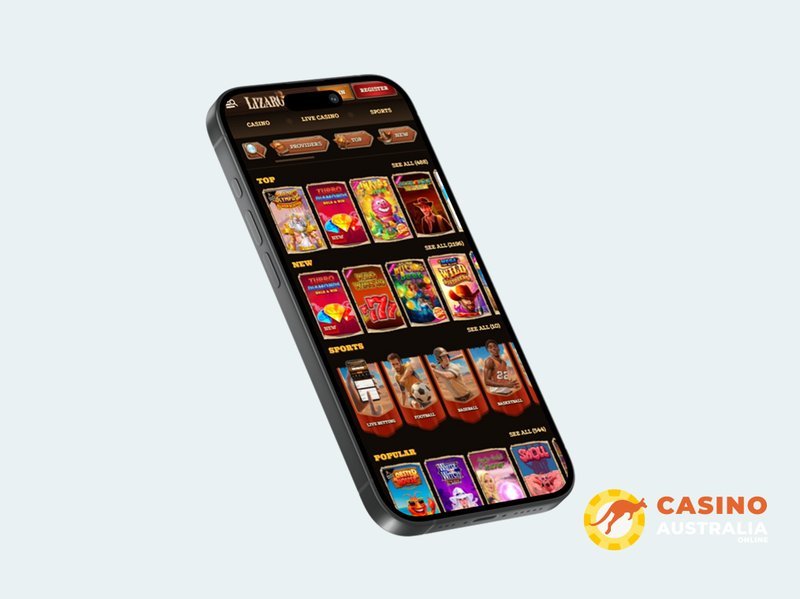
While the focus here is on in‑venue mobile gaming, the same technology is being adapted for online platforms. If you’re curious about how these gaming mechanics translate to a broader entertainment context, check out Lizaro for a look at how digital experiences are evolving.
Step 6: Measure Success and Iterate
After launch, track metrics such as average game duration, repeat visits, and average tip per guest. Compare these against pre‑game benchmarks. If the average tip drops by 5% in the first week, tweak the reward thresholds. Continuous iteration ensures the game remains a win for both staff and patrons.
Conclusion: A Nightlife Revolution in Mini‑Games
Mobile gaming has moved from a novelty to a core component of nightlife entertainment. By aligning game mechanics with service flow, offering instant rewards, and fostering a social atmosphere, clubs can boost staff morale, increase tips, and keep guests entertained. The next time you step into a venue that feels more like a living arcade, remember that behind the glow of the leaderboard is a carefully engineered loop designed to turn every sip into a win.
Frequently Asked Questions
How does mobile gaming improve service speed in nightlife venues?
Gamified apps reward staff for quick service, creating a competitive leaderboard that motivates faster, more efficient performance.
What types of games work best for a club setting?
Simple point‑scoring or time‑attack games that require quick taps and minimal learning are ideal, keeping patrons engaged without distraction.
Can this system be integrated with existing POS or loyalty programs?
Yes, most platforms allow API hooks so game points can sync with POS data and feed into loyalty or rewards programs.