
Craps Tips for Beginners: A Practical Guide for Australian Players
Starting out at the craps table can feel like walking into a busy Melbourne laneway on a Saturday arvo – loud, fast, and a bit overwhelming until you know where to stand. The good news is that a handful of simple craps tips for beginners can take the noise out of your first session and keep the focus on the game itself. You do not need to memorise every proposition wager to have a sensible time at the table; you just need a clear plan for where your money goes and when you step away. I have spent years managing country operations for a major operator and building affiliate channels down here, so I know the difference between a table that runs clean and one that leaves new players chasing losses. This piece keeps that same lens on the felt: what works, what costs you, and where the real limits sit.
Table Basics That Actually Matter
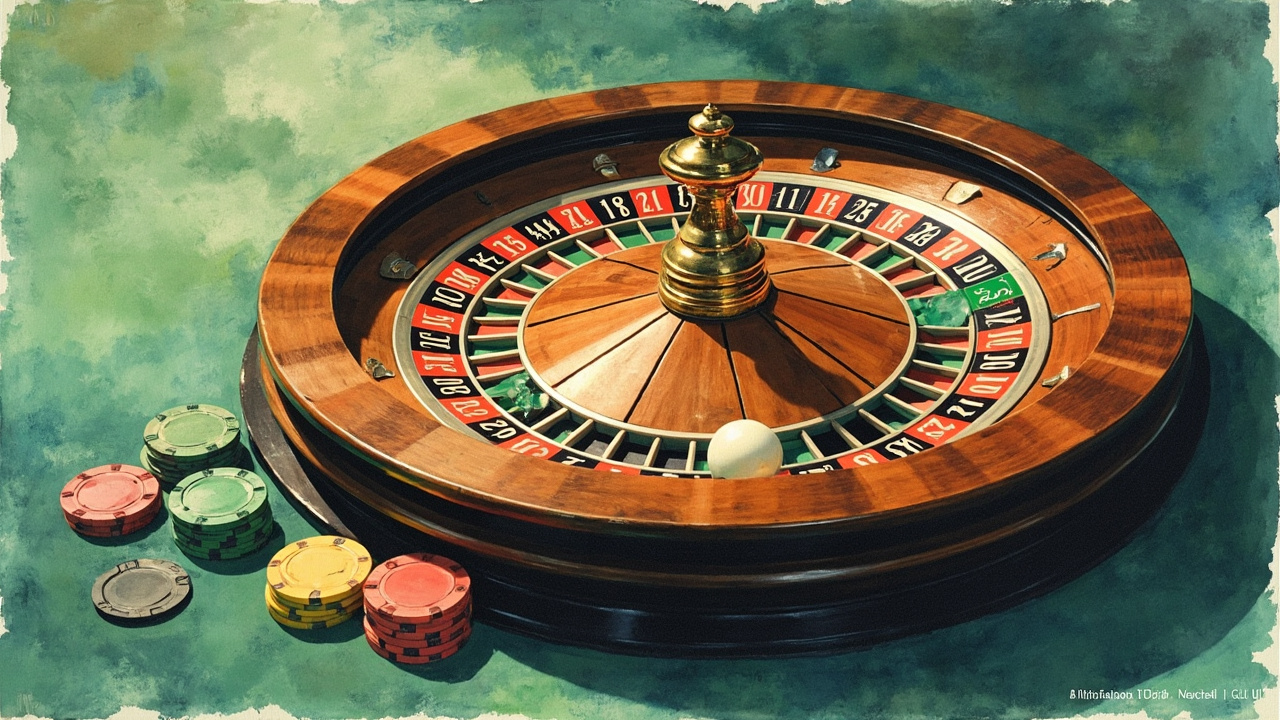
The first thing worth sorting is the layout of the bets you should care about and the ones you can ignore. Pass and don’t pass lines carry the lowest house edge on the table, which is why experienced players keep returning to them when they want a steadier session. The come-out roll sets the tone, and the point cycle that follows is where most beginners either lock in a sensible rhythm or blow their bankroll on single-roll props. My time running country operations taught me that tables with clear signage, consistent pace, and a floor manager who answers questions quickly tend to keep newcomers in the game longer than flashy layouts with a dozen side bets shouting for attention. You will also notice that a disciplined table usually has a dealer who explains the puck and the bar clearly, because that kind of support matters when you are still learning the timing of your own bets.
A few concrete choices make the difference between a calm session and a messy one. Stick to the line bets until the point is established, then decide whether you want to back it with odds rather than scatter your chips across the middle of the table. The odds bet is one of the rare spots where the house edge drops on the total amount you have working, so it is a sensible add-on once you are comfortable with the flow. I have seen affiliate campaigns promise a wild night on the props, but the reality is that those wagers are there for entertainment, not for building a bankroll that lasts past the first hour. If you are playing online, check that the operator offers the same line structure you would see on a physical table, because some digital versions trim the options and change the pace in ways that catch new players off guard.
Building a Sensible First Session
Bankroll and bet sizing
The simplest craps tips for beginners all circle back to how much you bring and how you divide it. Decide your session limit before you sit down, then break it into units that let you survive a normal run of variance without sweating every roll. A player who brings a fixed amount and treats each unit as the cost of a turn at the table usually lasts longer than someone who re-sizes after a couple of wins or a rough patch. I have managed country accounts where the players who stayed longest were the ones who treated the table like a planned evening out, not a way to turn a Tuesday night into a windfall. You should also set a loss limit you are actually willing to accept, because the table does not care about your plans and the dice will not adjust to your mood.
When you are sizing bets, start with the line and keep the unit size consistent until you have seen a few points cycle. That approach gives you real data on how the session feels before you add anything else. A modest odds bet behind your pass line is a reasonable next step once you understand the flow, because it keeps your base wager steady while letting you have more money working at lower overall risk. I would not touch the proposition area until I had a clear reason to be there, and even then I would keep those chips separate from the main bankroll so a single cold streak does not wipe out the night. The point is to make the table answerable to your plan, not the other way around.
Reading the table and the room
A good session is as much about reading the table as it is about the dice. Watch how the puck moves, notice which bets the regulars leave working, and listen to the rhythm of the dealer before you commit your own chips. The room around you matters more than it looks, because a crowded table with a steady dealer usually runs cleaner than a quiet one where everyone is throwing money at every roll. I have worked with affiliate partners who push the idea that a busy table is always better, but that is not always true; a packed table can slow the pace and make it harder to track your own bets if you are still learning the sequence. If you are in a venue, pay attention to the floor staff and the way the table is managed, because that tells you a lot about whether the environment is set up for a sensible session or just for turnover.
Online play changes the same dynamics in a different way. You lose the physical cues, so you have to rely more on the layout, the speed of the software, and the clarity of the bet history on screen. A well-built digital table will show your active wagers and the current point in a way that is easy to read, which matters when you are still getting used to the timing of come bets and odds. I would rather sit at a slower online table that keeps the record clear than a flashy one that hides the basics behind animations. If you want a different kind of digital table game that runs on a similar principle of simple rules and quick rounds, you can also check out https://plinko-online-au.com/ for a separate spin on that style of play.
Trust, Support, and Account Controls
This is where the review focus earns its place, because the table is only half the story for an Australian player. The other half is whether the operator behind the table runs a clean account, keeps your details handled properly, and gives you real tools to manage your own play. A trustworthy setup will spell out its licensing position clearly, explain how your data is stored, and offer straightforward support that does not vanish when you have a question about a pending withdrawal or a verification check. I have seen country accounts where the support team was the difference between a player staying engaged and one walking away frustrated, so I weigh that side of the experience heavily when I judge a product.
You should also look for responsible-play tools that are actually usable, not just listed in the footer. Deposit limits, session reminders, and a clear way to take a break or self-exclude are the kind of controls that separate a mature operator from one that just wants your first deposit. The privacy side matters too, because you want to know your information is handled with the same care you would expect from any other financial account. Georgia Turner, Board Member, Australian Gaming Futures, has put it plainly: “What separates a responsible operator is not a glossy lobby but whether the account controls are easy to find, easy to use, and actually respected when a player asks for them.” That line sticks with me because it matches what I have seen on the ground: the best tables in the world do not mean much if the account behind them is opaque or the support is slow.

A couple of wider notes help set expectations. Some games sit in a different legal space depending on where you are, and that is worth keeping in mind when you compare products or read marketing that sounds too broad. For example, rummy is legally treated as a skill game in some jurisdictions, which is a reminder that not every card-style title sits in the same category everywhere. You will also hear terms like “shark” and “hustler” thrown around to describe skilled players who prey on the unwary, and that is a useful warning to keep in mind at any table where the pace is fast and the bets are getting complicated. None of that changes the basics of a sensible session, but it does remind you to keep your own plan in front of you and not get pulled into someone else’s rhythm.
Matching the Table to Your Own Play
The right craps tips for beginners are the ones that fit the way you actually want to play, not a generic list that assumes everyone wants the same thing. If you are after a steady session with a clear edge on the main bets, the pass line and odds route is the most straightforward place to start, and it keeps the table manageable while you learn the timing. If you prefer a shorter, more social evening, you might lean toward a slower table or a digital version that keeps the record clear and the pace readable. The key is to match the table to your own limits and your own patience, because a table that suits one player can be a poor fit for another. I would rather see someone choose a quieter table and stay in control than chase a busy one and burn through a session they meant to enjoy.
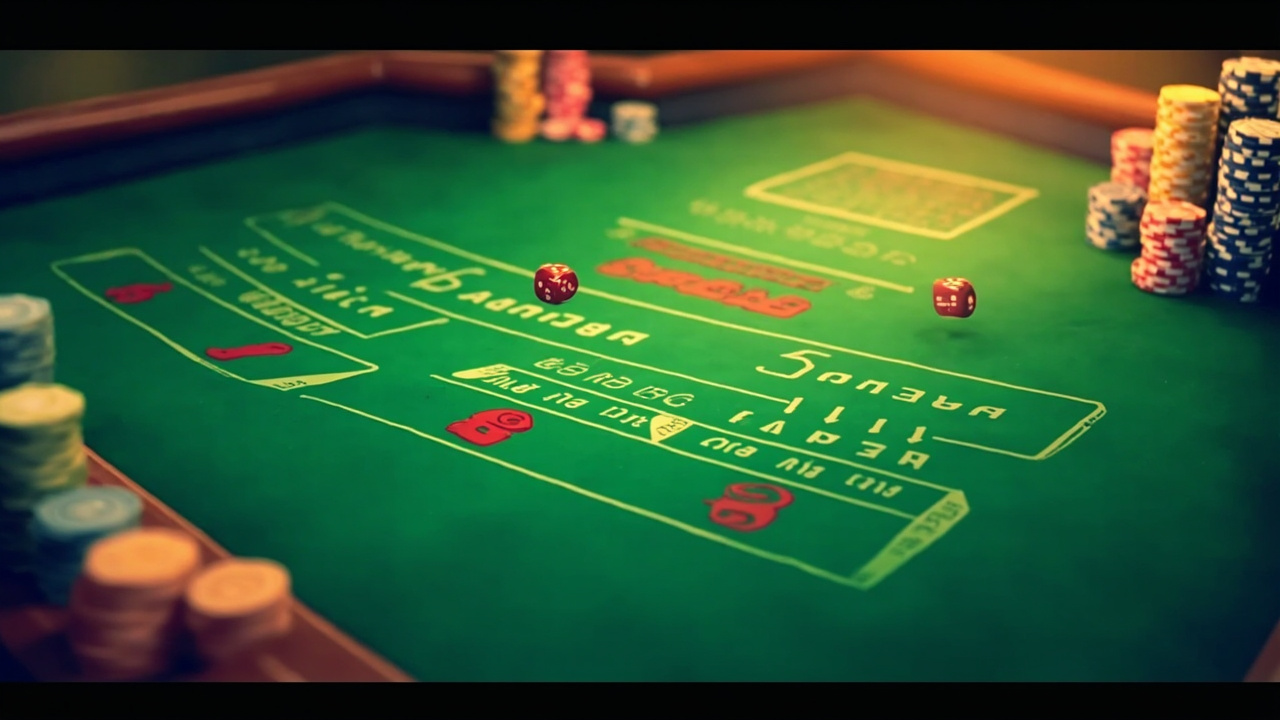
That match also comes down to the operator behind the experience. A clean account, usable support, and real responsible-play tools are the parts that keep a session from turning into a headache, and they are worth weighing just as heavily as the layout on the screen or the felt. You do not need every feature on the menu to have a good time; you need the basics to work properly and the environment to respect your limits. When those pieces line up, the table becomes a place you can return to without second-guessing the setup, which is exactly what a beginner should be looking for.
Start with a fixed session bankroll and split it into units that let you survive a normal run of variance without re-sizing after every win or loss. Sit at the pass line or don’t pass line first, keep your base unit steady, and only add odds once you have seen a few points cycle and understand the timing. Watch the puck and the dealer’s rhythm for a minute before you commit chips, then place your first bet only when you can clearly read the current stage of the roll. Set a loss limit and a time limit before you start, and stick to them even when the table feels busy or the dice run hot. If you are playing online, verify that the digital table shows your active wagers and the point clearly, and use the operator’s responsible-play tools to cap deposits or take a break if the session stops feeling controlled.